The nutraceutical, derma skincare, and pharmaceutical industries are evolving faster than ever. In 2026, successful brands are not those that own factories—but those that scale smartly, launch faster, and stay compliant. This is why an increasing number of businesses are choosing third-party manufacturing as their preferred growth model.
From startups and D2C brands to doctors and distributors, third-party manufacturing in India has become the backbone of modern brand building.
What Is Third-Party Manufacturing?
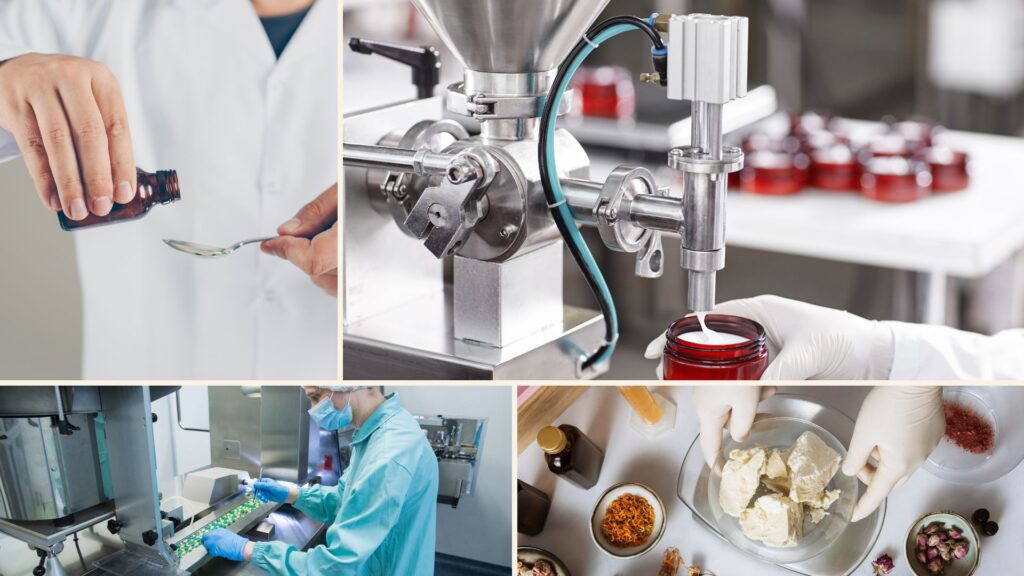
Third-party manufacturing (also known as contract manufacturing or private label manufacturing) is a business model where a brand outsources product manufacturing to a certified manufacturer while selling products under its own brand name.
This model is widely used in:
Nutraceutical manufacturing
Derma & cosmetic manufacturing
Pharmaceutical manufacturing
Ayurvedic and herbal products
Why Third-Party Manufacturing Is the Smart Choice in 2026
1. Faster Time to Market
Speed is a competitive advantage in 2026.
Setting up a manufacturing unit can take 12–24 months, while third-party manufacturing allows brands to:
Launch products in 30–60 days
Capitalize on trending ingredients and formulations
Beat competitors to market
With an experienced third-party manufacturing company in India, brands can move from idea to product shelf quickly.
2. Lower Investment, Higher Profitability
Manufacturing infrastructure requires:
Heavy capital investment
Skilled manpower
Continuous maintenance
Regulatory audits
Smart brands prefer to invest in:
Branding & digital marketing
Sales channels & distribution
Influencer and doctor marketing
Third-party manufacturing reduces financial risk and allows brands to scale without burning capital.
3. One-Stop Manufacturing Solution
In 2026, brands don’t want multiple vendors. They want a complete end-to-end manufacturing solution.
A reliable third-party manufacturer offers:
Product formulation & development
Bulk manufacturing
Packaging design & labeling
Regulatory documentation (FSSAI, WHO-GMP, DCGI)
Brand registration & compliance support
This one-stop solution simplifies operations and reduces delays.
4. Access to Advanced Technology & Expertise
Modern products require more than basic manufacturing. Today’s consumers demand:
Clinically backed formulations
Clean-label and functional ingredients
Advanced delivery systems (nano, encapsulation, sustained release)
By partnering with a third-party nutraceutical or pharma manufacturer, brands gain access to:
Experienced formulation scientists
R&D-backed formulations
Latest manufacturing technology
This ensures premium-quality products without in-house expertise.
5. Regulatory Compliance Made Easy
Regulatory standards in India are becoming stricter every year.
Managing:
FSSAI compliance
Stability reports
Product dossiers
Batch manufacturing records
…can be overwhelming for brands.
Third-party manufacturers stay updated with current regulatory guidelines, ensuring products meet all legal and safety standards—minimizing compliance risk.
6. Wide Range of Product Categories & Formats
Smart brands in 2026 are diversifying product portfolios quickly.
Third-party manufacturing supports multiple categories such as:
Nutraceuticals: capsules, tablets, powders, gummies, effervescents
Protein powders & sports nutrition
Derma skincare: serums, creams, sunscreens, gels
Pharmaceuticals: tablets, syrups, injections, ointments
This flexibility allows brands to expand SKUs without new infrastructure.
7. Scalability Without Operational Stress
Demand can increase overnight—but scaling in-house manufacturing is slow and costly.
With third-party manufacturing:
Production can be scaled instantly
Multiple products can be launched simultaneously
Brands can enter new markets faster
This scalability is critical in India’s fast-growing healthcare and wellness market.
Why Third-Party Manufacturing Is the Future
In 2026, third-party manufacturing is no longer just a cost-saving option—it’s a strategic business decision.
Brands that choose the right manufacturing partner gain:
Faster product launches
Lower financial risk
Regulatory peace of mind
Consistent product quality
End-to-end operational support